
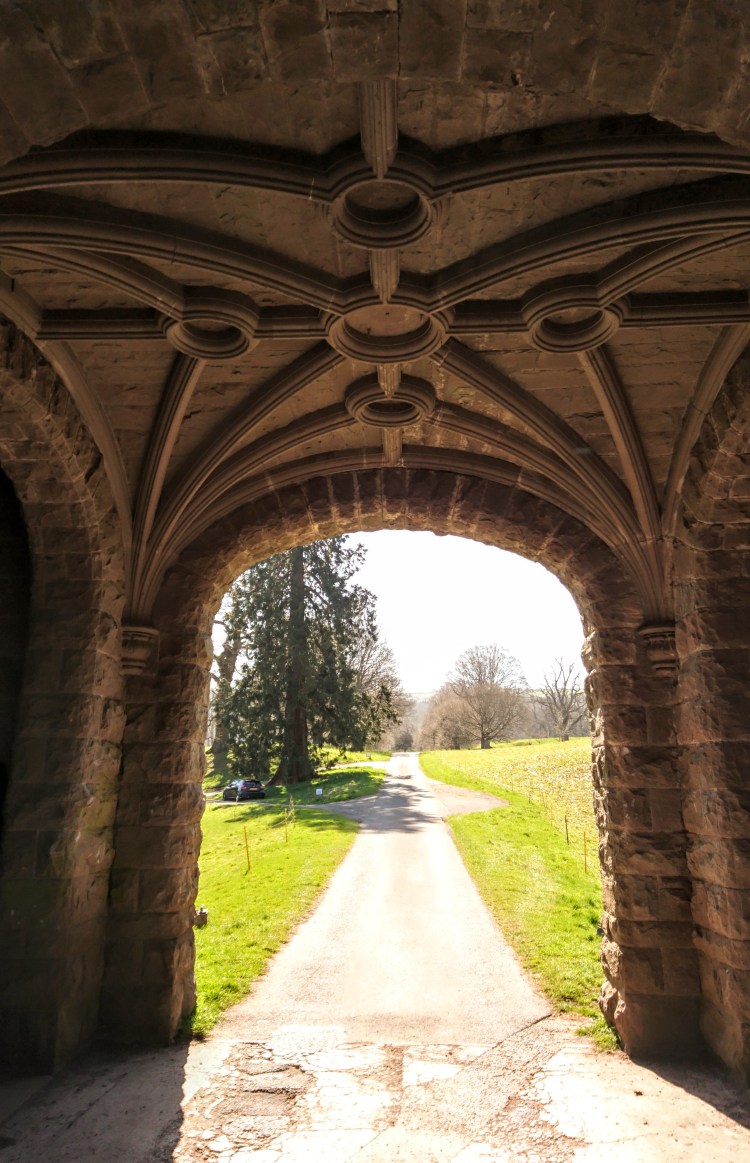
Gothic revival façade, Tower Bridge, Glanusk Estate, Crickhowell, Powys
More little things in life
Gothic revival façade, Tower Bridge, Glanusk Estate, Crickhowell, Powys
Book review blogger and piano accompanist View more posts
Have a WordPress.com account? Log in now.


I like that it‘s called „revival“ in English — that sounds so much more positive and welcoming. We call it „neogothic“ … as if it were fake, or a second-rate imitation of the real thing!
LikeLiked by 2 people
‘Neogothic’ is a term here too, Ulrike, but I also prefer Gothic Revival (or even ‘Gothick’ as some early Romantics termed the creative arts response to the revival).
LikeLiked by 2 people
I agree — though minus the „ck“ ending, which I don‘t like because it‘s so common these days in „the lady protests too much“ type displays, whatever its true origin. (Though I have no objections against that ending in late medieval or Tudor era texts … that‘s where it belongs, dodgy / nonexistent spelling rules and all!)
LikeLiked by 2 people